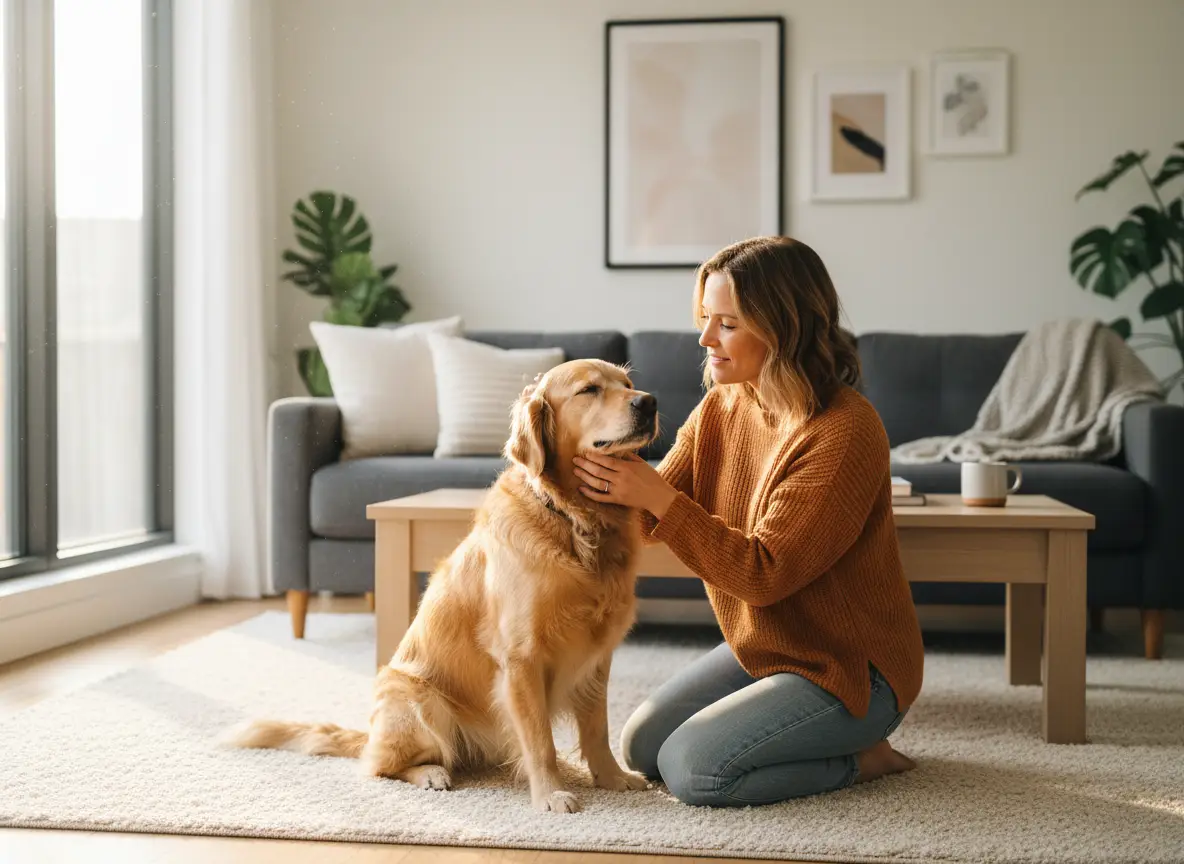
The Unwavering Loyalty of Dogs: A Heartwarming Tale

Dogs have been man’s best friend for thousands of years. Their loyalty and devotion to their human companions are traits that are hard to find in any other animal. But what makes dogs so loyal?
Throughout history, dogs have stood by our side. They’ve protected our homes and warmed our hearts. This bond between humans and dogs goes deeper than simple companionship.
The connection we share with our canine friends is truly special. It’s built on trust, love, and mutual respect. Let’s explore what makes this relationship so remarkable.
The Ancient Bond Between Humans and Dogs

The relationship between people and dogs began over 15,000 years ago. Early humans and wolves formed an unlikely partnership. This collaboration changed the course of history for both species.
Wolves helped humans hunt and guard their settlements. In return, humans provided food and shelter. Over time, these wolves evolved into the dogs we know today.
Different breeds emerged to serve specific purposes. Some became hunting companions. Others protected livestock or pulled sleds across frozen landscapes.

Each breed developed unique characteristics. Yet all dogs retained one common trait: unwavering loyalty to their human family.
Working Dogs
These breeds were developed for specific tasks. They helped humans accomplish difficult work in challenging environments.
- German Shepherds for police and military work
- Border Collies for herding livestock
- Siberian Huskies for sledding and transportation
- Labrador Retrievers for hunting and retrieving
Companion Dogs
Some breeds were specifically created to be loving family members. They excel at providing emotional support and companionship.
- Golden Retrievers for family companionship
- Cavalier King Charles Spaniels for lap dogs
- Poodles for intelligent companionship
- Beagles for friendly household pets
Guardian Dogs
These powerful breeds protect homes and families. Their loyalty manifests as protective instincts toward their loved ones.
- Rottweilers for property protection
- Doberman Pinschers for security work
- Great Pyrenees for livestock guarding
- Akitas for family protection
Hunting Hounds
Hounds were bred for tracking and hunting. They demonstrate loyalty through their dedication to working alongside humans.
- Bloodhounds for tracking scents
- Greyhounds for coursing game
- Basset Hounds for rabbit hunting
- Coonhounds for nocturnal hunting

How Dogs Become Part of the Family

From the moment a dog enters a home, something magical happens. They immediately begin forming bonds with family members. This process starts within the first few days.
Puppies learn to recognize their family’s voices and scents. They quickly understand routines and schedules. Within weeks, they become integral parts of daily life.

Dogs greet us with wagging tails and wet kisses every single day. They’re always eager to please their human companions. This enthusiasm never fades, even after years together.
They stand by our side through thick and thin. Dogs never judge us for our mistakes or shortcomings. Their acceptance is truly unconditional.
Did You Know? Dogs can recognize their owner’s emotions through facial expressions and tone of voice. They respond to our feelings with comfort and support.

When we’re feeling down, our dogs are always there. They offer a comforting nuzzle or simply sit beside us. Their presence alone can lift our spirits.

Daily Companionship
Dogs fill our days with joy and activity. They encourage us to go outside, play, and exercise. Their enthusiasm for simple pleasures is contagious.

Constant Presence
Whether we’re cooking dinner or watching television, our dogs stay nearby. They want to be part of everything we do. This constant companionship strengthens our bond.

Emotional Support
Dogs sense when we need extra love and attention. They provide emotional support without being asked. This intuitive understanding makes them invaluable family members.
How Dogs Show Their Unwavering Loyalty

Dog loyalty goes far beyond simple companionship. They demonstrate their devotion in countless ways throughout their lives. These expressions of loyalty touch our hearts deeply.
Defending the Family
Dogs will defend their family with their lives if necessary. They stand guard against any perceived threat to their loved ones. This protective instinct is hardwired into their nature.

Many dogs position themselves between their family and strangers. They assess situations and react accordingly. Their protective nature provides peace of mind to their human companions.
Guard breeds like Rottweilers and Dobermans excel at this role. However, even small dogs will bravely protect their families. Size doesn’t diminish their courage or loyalty.
Searching for Lost Family Members

Dogs have incredible tracking abilities. They’ll search high and low for a missing family member. These animals never give up until they’re reunited with their loved ones.
Stories abound of dogs traveling hundreds of miles to find their families. Their determination and navigation skills are remarkable. This behavior demonstrates the depth of their attachment.
“A dog is the only thing on earth that loves you more than he loves himself.”
– Josh Billings
Waiting Patiently for Your Return

Dogs wait patiently for our return, no matter how long we’re away. They maintain their vigil by windows or doors. Time seems meaningless when it comes to their devotion.
Whether we’re gone for one year or just a few months, the reunion is always joyful. Dogs celebrate our return with unbridled enthusiasm. This consistent behavior never changes throughout their lives.

Their internal clocks seem attuned to our schedules. Many dogs know exactly when we’re due home. They position themselves at entry points in anticipation of our arrival.
Share Your Dog’s Loyalty Story
Has your dog shown remarkable loyalty? We’d love to hear your heartwarming story. Join our community of dog lovers and share your experiences.
The Science Behind Dog Loyalty

Scientists have studied the bond between humans and dogs extensively. Research reveals fascinating information about why dogs are so loyal. The answers lie in both biology and psychology.
The Role of Oxytocin
When dogs and humans interact, both release oxytocin. This hormone is often called the “love hormone.” It creates feelings of bonding and attachment.

Studies show that eye contact between dogs and people triggers oxytocin release. This chemical reaction strengthens the emotional bond. It’s similar to the bond between parent and child.
Evolutionary Advantages
Dogs evolved alongside humans for mutual benefit. Those animals that bonded strongly with people survived better. This natural selection reinforced loyal behavior over thousands of years.

The partnership provided advantages for both species. Humans gained hunting partners and guardians. Dogs gained reliable food sources and protection.
Pack Mentality
Dogs are pack animals by nature. They view their human family as their pack. This instinct drives them to protect and remain close to pack members.

In the wild, wolves depend on their pack for survival. Domestic dogs transferred this dependency to their human families. The bond became even stronger through selective breeding.
Fascinating Fact
Dogs can understand up to 250 words and gestures. This cognitive ability helps them communicate with and understand their human companions better than any other animal species.
The Benefits of Having a Loyal Dog Companion

The loyalty of dogs brings numerous benefits to our lives. These advantages extend beyond simple companionship. Research shows that dog ownership improves our overall well-being.
Physical Health Benefits
Dog owners tend to be more physically active than non-owners. Daily walks and playtime provide regular exercise. This activity improves cardiovascular health and fitness levels.

Studies indicate that dog owners have lower blood pressure. They also experience reduced stress hormones. The simple act of petting a dog can lower heart rate.
Mental Health Improvements

Dogs provide emotional support during difficult times. Their presence reduces feelings of loneliness and isolation. Many people find comfort in caring for their loyal companions.
The responsibility of dog care gives people purpose. This sense of purpose combats depression and anxiety. The routine of caring for a dog provides structure to daily life.
- Decreased anxiety and depression symptoms
- Improved mood and emotional stability
- Reduced feelings of loneliness
- Enhanced sense of purpose and responsibility
- Better stress management capabilities
Social Connection Benefits

Dogs help people connect with others in their community. Dog parks and walking routes create opportunities for social interaction. These connections combat isolation in modern society.
Pet parents often form friendships through their shared love of dogs. These relationships enrich our social lives. The dog community provides support and camaraderie.
- Increased social interactions during walks
- New friendships with other dog owners
- Stronger community connections
- Conversation starters in public spaces
- Participation in dog events and activities
Emotional Support and Companionship

Dogs offer unconditional love and acceptance. They don’t judge our appearance or social status. This acceptance provides tremendous emotional comfort.
Their loyalty gives us confidence and security. Knowing someone always loves us unconditionally improves self-esteem. This emotional support is invaluable during challenging periods.
Ways Dogs Enrich Our Lives
- Provide constant companionship and affection
- Encourage outdoor activity and exercise
- Reduce stress and anxiety levels
- Create structure and routine in daily life
- Offer protection and security at home
- Facilitate social connections with others
- Teach responsibility and empathy
- Bring joy and laughter to every day
Responsibilities to Consider
- Require daily exercise and attention
- Need regular veterinary care and health monitoring
- Demand financial investment for food and supplies
- Require training and behavioral guidance
- May limit travel flexibility and spontaneity
- Need grooming and hygiene maintenance
- Demand time commitment for proper care
- Require pet-friendly living arrangements
Caring for Your Loyal Companion

Dogs give us so much loyalty and love. They deserve the best care we can provide. Proper care ensures they live long, healthy, happy lives.
Nutrition and Diet
Quality food is essential for canine health. Different breeds and life stages require specific nutritional profiles. Consult your veterinarian for dietary recommendations.

Puppies need food formulated for growth. Adult dogs require maintenance diets. Senior animals benefit from specialized formulas for aging bodies.
Fresh water should always be available. Dogs need hydration just like humans do. Change water daily and clean bowls regularly.
Regular Exercise and Training

All breeds need regular exercise for physical and mental health. The amount varies by breed, age, and energy level. Working breeds typically need more activity than companion breeds.
Training strengthens the bond between dog and parent. It provides mental stimulation and establishes clear communication. Positive reinforcement methods work best for most dogs.

Mental stimulation is equally important as physical exercise. Puzzle toys and training games keep dogs mentally sharp. Boredom can lead to destructive behaviors.
Health Care and Grooming
Regular veterinary checkups are crucial for maintaining health. Annual exams catch problems early. Vaccinations protect against serious diseases.

Dental care prevents serious health issues. Brush your dog’s teeth regularly. Dental disease can affect overall health if left untreated.
Grooming needs vary by breed and coat type. Some dogs require professional grooming every few months. Others need only occasional brushing at home.

Flea and tick prevention is essential year-round in most areas. These parasites can transmit serious diseases. Consult your veterinarian about the best prevention methods for your area.
Puppy Care (0-12 Months)

Puppies require frequent meals, extensive socialization, and basic training. This critical period shapes their adult behavior and temperament.
- Feed 3-4 times daily with puppy formula
- Begin socialization with people and animals
- Start basic obedience training early
- Schedule puppy vaccination series
- Provide safe toys for teething
Adult Dog Care (1-7 Years)

Adult dogs need consistent care routines. This life stage typically requires the least intensive medical intervention but most active engagement.
- Feed twice daily with quality adult food
- Maintain regular exercise schedule
- Continue training and mental stimulation
- Annual veterinary wellness exams
- Keep up with flea and tick prevention
Senior Dog Care (7+ Years)

Older dogs need specialized attention. Age brings changes that require adjustments to diet, exercise, and medical care for continued quality of life.
- Switch to senior-specific food formulas
- Adjust exercise to accommodate limitations
- Increase veterinary visits to twice yearly
- Monitor for signs of pain or discomfort
- Provide comfortable sleeping areas
| Care Category | Frequency | Importance | Notes |
| Veterinary Checkups | Annually (Twice for seniors) | Critical | Early detection prevents serious health issues |
| Dental Care | Daily brushing recommended | High | Prevents periodontal disease and organ damage |
| Grooming | Varies by breed | Moderate to High | Prevents matting and skin conditions |
| Exercise | Daily | Critical | Maintains physical and mental health |
| Training | Ongoing throughout life | High | Strengthens bond and prevents behavior problems |
| Flea/Tick Prevention | Monthly year-round | Critical | Prevents disease transmission from parasites |
Loyalty Across Different Dog Breeds

All dogs possess loyalty, but different breeds express it in unique ways. Understanding breed characteristics helps match the right dog to your family. Each breed brings special qualities to the relationship.
Herding Breeds
Herding dogs were bred to work closely with humans. They show loyalty through their desire to please and protect. These breeds excel at reading human body language.

Border Collies, Australian Shepherds, and German Shepherds fall into this category. They bond intensely with their families. Their intelligence makes them highly trainable.
These breeds need jobs to feel fulfilled. Without proper mental stimulation, they may develop behavioral issues. Training and activities channel their energy productively.
Sporting Breeds

Sporting dogs like Golden Retrievers and Labrador Retrievers are renowned for loyalty. They were bred to work alongside hunters. This partnership created dogs eager to please their human companions.
These breeds are gentle and patient with children. They adapt well to family life. Their friendly nature makes them excellent family dogs.
Sporting breeds require regular exercise to stay healthy. They love water activities and retrieving games. Physical activity keeps them happy and well-behaved.
Guardian Breeds

Guardian breeds express loyalty through protection. Rottweilers, Dobermans, and Mastiffs take their protective duties seriously. They’re naturally suspicious of strangers.
Proper socialization is crucial for these breeds. Early training helps them distinguish real threats from normal situations. Well-trained guardians are calm and confident.
These dogs form deep bonds with their families. They’re often gentle with children despite their imposing size. Their loyalty makes them excellent protectors.
Companion Breeds

Companion breeds were developed specifically for human interaction. Cavalier King Charles Spaniels, Pugs, and French Bulldogs excel at this role. They thrive on attention and affection.
These smaller dogs are perfect for apartment living. They adapt well to various lifestyles. Their primary purpose is companionship and emotional support.
Companion breeds often suffer from separation anxiety. They prefer to be with their people constantly. This intense attachment demonstrates their loyal nature.
Breed Loyalty Characteristics
4.8
Overall Loyalty Rating Across Breeds
Herding Breeds
4.8/5
Sporting Breeds
4.7/5
Guardian Breeds
4.9/5
Companion Breeds
4.6/5
Hound Breeds
4.3/5
Terrier Breeds
4.4/5
Heartwarming Stories of Dog Loyalty

Throughout history, dogs have demonstrated extraordinary loyalty. These stories inspire and move us deeply. They remind us why dogs truly are man’s best friend.
Hachiko: The Ultimate Symbol of Loyalty
Hachiko was an Akita who lived in Japan during the 1920s. Every day, he waited at Shibuya Station for his owner’s return from work. This routine continued for nine years after his owner’s death.

Hachiko became famous throughout Japan for his devotion. A statue was erected in his honor. Today, it remains a popular meeting spot and symbol of loyalty.
This story demonstrates the depth of canine devotion. Hachiko’s loyalty transcended his owner’s death. His story continues to touch hearts around the world.
Bobbie the Wonder Dog

In 1923, Bobbie got separated from his family in Indiana. The Scotch Collie mix traveled over 2,500 miles to return home to Oregon. His journey took six months through harsh winter conditions.
Bobbie’s determination amazed the nation. He crossed rivers, mountains, and deserts to reunite with his family. His story proves the incredible bond between dogs and their people.
Balto: The Hero of Nome
Balto led a sled team through dangerous conditions in 1925. He delivered life-saving medicine to Nome, Alaska during a diphtheria outbreak. This Siberian Husky became an American hero.

The journey covered over 600 miles in blizzard conditions. Balto’s courage and determination saved countless lives. His loyalty to his musher and mission exemplifies working dog devotion.
A statue of Balto stands in New York’s Central Park. It honors all sled dogs who serve humanity. The inscription reads: “Endurance, Fidelity, Intelligence.”
Why do dogs show such incredible loyalty to humans?
Dogs evolved alongside humans for over 15,000 years. This co-evolution created strong biological and psychological bonds. The hormone oxytocin is released when dogs and humans interact, creating feelings of love and attachment similar to parent-child bonds. Additionally, dogs are pack animals that view their human family as their pack, triggering protective and loyal instincts naturally.
Which dog breeds are most loyal?
While all dogs can be loyal, certain breeds are renowned for exceptional devotion. German Shepherds, Golden Retrievers, Labrador Retrievers, and Akitas consistently rank among the most loyal breeds. However, loyalty depends more on individual personality, proper training, and the strength of the human-dog bond than breed alone. Any dog given proper care, love, and attention can develop deep loyalty to their family.
How can I strengthen the loyal bond with my dog?
Strengthen your bond through consistent positive interactions, regular training sessions using positive reinforcement, daily exercise and playtime together, and quality one-on-one attention. Maintain consistent routines for feeding and walks, learn to read your dog’s body language, and respond to their needs promptly. Physical affection like petting and gentle grooming also releases bonding hormones in both you and your dog.
At what age do dogs develop loyalty to their owners?
Puppies begin forming attachments to their primary caregivers as early as 8-12 weeks of age. The critical socialization period occurs between 3-14 weeks, when puppies are most receptive to bonding. However, loyalty continues developing throughout the first year and beyond. Adult dogs adopted from shelters can also form strong loyal bonds with new owners, though it may take several months of consistent care and positive experiences.
Can dogs be loyal to multiple family members?
Yes, dogs can and do form loyal bonds with all family members. While they may show slight preference toward their primary caregiver (the person who feeds them, walks them most often), well-socialized dogs love their entire human pack. They often display different types of loyalty toward different family members – playful with children, protective toward elderly members, and companionable with adults.
Understanding and Overcoming Loyalty-Related Challenges

Strong loyalty sometimes creates challenges for dogs and their families. Understanding these issues helps address them effectively. Most problems can be solved with patience and proper training.
Separation Anxiety
Some dogs become anxious when separated from their families. This condition stems from extreme attachment. Symptoms include destructive behavior, excessive barking, and house soiling.

Gradual desensitization helps dogs cope with alone time. Start with very short absences. Slowly increase duration as your dog becomes more comfortable.
Provide engaging toys when you leave. Puzzle feeders and interactive toys keep dogs mentally occupied. This distraction reduces anxiety during your absence.
Over-Protectiveness

Extremely loyal dogs may become overprotective. They might view normal situations as threats. This behavior requires careful management and training.
Proper socialization from puppyhood prevents most issues. Expose young dogs to various people, animals, and situations. Positive experiences create confident, well-adjusted adults.
Professional training helps manage protective instincts. A qualified trainer can teach your dog appropriate responses. This training maintains their protective nature while ensuring safety.
Following Behavior
Many loyal dogs follow their owners everywhere. While flattering, constant shadowing can become problematic. Dogs need to learn independence for their own well-being.

Teach your dog to settle in designated spots. Reward them for staying put while you move around. This builds confidence in being apart briefly.
Provide a comfortable space where your dog can relax. Make this area appealing with toys and bedding. Encourage your dog to spend time there independently.
Important Consideration
If your dog shows severe anxiety, aggression, or destructive behaviors related to loyalty and attachment, consult a professional dog behaviorist or veterinarian. Some cases require specialized intervention beyond basic training techniques.
Finding Your Loyal Canine Companion

Choosing the right dog creates the foundation for lifelong loyalty. Consider your lifestyle, living situation, and expectations carefully. The perfect match leads to years of mutual devotion.
Adoption vs. Buying from Breeders
Both options can lead to wonderful, loyal companions. Shelters overflow with dogs needing homes. These animals often show incredible gratitude and loyalty to their adopters.

Reputable breeders provide predictable breed characteristics. They health-test parent dogs and socialize puppies properly. This investment can prevent future problems.
Mixed breed dogs from shelters are equally capable of loyalty. Their unique personalities often surprise and delight families. Many become the most devoted companions imaginable.
Matching Breed to Lifestyle

Active families suit high-energy breeds like Border Collies or Labrador Retrievers. These dogs need extensive daily exercise. They thrive with outdoor activities and sports.
Apartment dwellers might prefer smaller, calmer breeds. French Bulldogs, Cavalier King Charles Spaniels, or Pugs adapt well to limited space. They require less intensive exercise.
Consider your work schedule when choosing a dog. Some breeds tolerate alone time better than others. Research breed characteristics thoroughly before deciding.
Meeting Potential Dogs
Spend time with dogs before committing. Observe their temperament and energy level. Look for a dog whose personality complements yours.

Ask shelter staff or breeders about each dog’s history. Understanding their background helps set realistic expectations. Some dogs need extra patience and training.
Bring family members to meet prospective dogs. Everyone should feel comfortable with the choice. A dog joins the entire family, not just one person.
- Golden Retrievers – gentle and patient
- Labrador Retrievers – friendly and outgoing
- Beagles – playful and adaptable
- Cavalier King Charles Spaniels – affectionate
- Poodles – intelligent and hypoallergenic
- Border Collies – high energy workers
- Australian Shepherds – athletic partners
- Siberian Huskies – endurance athletes
- German Shorthaired Pointers – sporting dogs
- Vizslas – running companions
- French Bulldogs – low exercise needs
- Cavalier King Charles Spaniels – small size
- Pugs – adaptable and calm
- Boston Terriers – compact and friendly
- Shih Tzus – apartment-friendly
Get Your Free Dog Care Guide
Download our comprehensive guide on understanding and nurturing dog loyalty. Learn expert tips on building an unbreakable bond with your canine companion.
Training Techniques That Build Loyalty

Training strengthens the bond between dogs and their people. Positive methods create trust and respect. These elements form the foundation of loyalty.
Positive Reinforcement Methods
Reward-based training produces the best results. Dogs learn faster when training is enjoyable. This approach builds confidence and strengthens your relationship.

Use treats, praise, and play as rewards. Timing is crucial – reward immediately after correct behavior. Dogs quickly learn which actions earn rewards.
Never use punishment-based training methods. These damage trust and can create fear. A fearful dog cannot develop true loyalty and devotion.
Consistency in Commands and Expectations

All family members should use the same commands. Consistency helps dogs understand expectations. Mixed signals confuse and frustrate them.
Establish clear household rules from day one. Decide whether dogs can be on furniture or beg at meals. Enforce rules consistently across all situations.
Regular training sessions maintain skills and mental sharpness. Even five minutes daily makes a difference. Short, frequent sessions work better than long, infrequent ones.
Socialization and Exposure
Well-socialized dogs are confident and adaptable. Expose puppies to various people, animals, and environments. These experiences shape their adult temperament.

Puppy classes provide structured socialization opportunities. Professional trainers guide interactions safely. Puppies learn appropriate play and communication skills.
Continue socialization throughout your dog’s life. Regular exposure maintains social skills. Well-socialized dogs handle new situations calmly.
Basic Obedience Training

Teach fundamental commands like sit, stay, come, and down. These basics establish communication and create a framework for advanced training.
- Sit – foundational command for control
- Stay – builds impulse control
- Come – ensures safety and recall
- Down – promotes calmness
- Leave it – prevents unwanted behaviors
Advanced Skills Training

Once basics are mastered, teach complex behaviors. Advanced training provides mental stimulation and deepens your bond through shared accomplishments.
- Agility courses for physical challenges
- Trick training for mental engagement
- Scent work for natural instincts
- Therapy dog certification for service
- Competitive obedience for precision
Problem Behavior Solutions

Address unwanted behaviors promptly and positively. Understanding the root cause allows effective solutions that maintain trust and loyalty.
- Redirect jumping to sitting for greetings
- Manage barking through training
- Reduce pulling with loose-leash walking
- Address resource guarding safely
- Minimize destructive chewing behaviors
Living Daily Life With Your Loyal Companion

Dogs integrate seamlessly into our daily routines. They adapt to our schedules and preferences. This flexibility strengthens the bond we share.
Establishing Routines
Dogs thrive on predictable schedules. Regular feeding times, walks, and play sessions create security. This structure reduces anxiety and behavioral problems.

Morning routines might include bathroom breaks and breakfast. Evening schedules often feature longer walks and playtime. Consistency helps dogs feel secure and confident.
Bedtime routines signal rest time for everyone. Dogs learn when it’s time to settle down. A consistent bedtime promotes better sleep for the entire family.
Quality Time Together

Beyond care tasks, spend leisure time with your dog. Simple activities like cuddling while watching television strengthen bonds. Your dog values this quiet companionship.
Include your dog in family activities when possible. Many dogs enjoy car rides, picnics, and outdoor events. These shared experiences create lasting memories.
Individual attention matters too. One-on-one time makes each dog feel special. This focused interaction deepens your personal connection.
Exercise and Play
Daily exercise is essential for physical and mental health. The type and amount depend on breed and age. All dogs benefit from regular physical activity.

Walking provides exercise and mental stimulation. New routes offer different sights and smells. This variety keeps walks interesting for dogs.
Play strengthens your bond while providing exercise. Fetch, tug-of-war, and hide-and-seek engage different skills. Rotate games to maintain interest.
Indoor Activities for Dogs

Rainy days and extreme weather require indoor activities. Mental stimulation is just as important as physical exercise. These activities prevent boredom and destructive behavior.
- Puzzle toys and treat dispensers
- Hide and seek games throughout the house
- Indoor fetch with soft toys
- Training new tricks and commands
- Scent work and nose games
- Tug-of-war with rope toys
Outdoor Adventures With Dogs

Outdoor adventures provide enrichment and bonding opportunities. Dogs love exploring natural environments with their families. These experiences create joyful shared memories.
- Hiking trails and nature walks
- Swimming at dog-friendly beaches
- Camping trips in pet-friendly locations
- Dog park visits for socialization
- Outdoor agility courses and obstacles
- Running or jogging partners
Celebrating and Honoring Dog Loyalty

Our loyal companions deserve recognition and celebration. Simple gestures show appreciation for their unwavering devotion. These acknowledgments strengthen our mutual bond.
Special Occasions and Milestones
Celebrate your dog’s birthday or adoption anniversary. These milestones mark time spent together. Simple celebrations create happy memories.

Special treats or new toys make excellent gifts. Extra playtime or a favorite activity shows appreciation. Dogs understand when we’re celebrating them.
Document these moments with photographs. These images preserve precious memories. They remind us of the journey we’ve shared.
Expressing Gratitude Daily

Daily expressions of love maintain strong bonds. Verbal praise, physical affection, and quality time show gratitude. These small gestures accumulate into profound connections.
Notice and appreciate your dog’s loyalty. Thank them for greeting you happily. Acknowledge their patient waiting and protective presence.
Your dog gives unconditional love freely. Return that devotion through consistent care and affection. This reciprocal relationship defines the human-canine bond.
Questions About Dog Care? Call:1-800-555-1234
The Enduring Gift of Dog Loyalty

Dogs have been man’s best friend for thousands of years. Their loyalty remains as strong today as in ancient times. This unwavering devotion enriches our lives immeasurably.
They stand by us through thick and thin. They defend us with their lives. Dogs offer unconditional love and acceptance that’s rare in the world.

When we’re feeling down, they make us feel better. Their presence alone provides comfort during difficult times. This emotional support sustains us through life’s challenges.
The loyalty of dogs is truly a rare and precious thing. It’s something we should treasure and reciprocate. Our canine companions deserve our very best care and devotion.
So next time you come home to a wagging tail and happy bark, pause and appreciate that moment. Remember that you’re loved unconditionally. Your furry friend will always be there for you, no matter what.

If you’re a dog lover, give your loyal companion a big hug today. They deserve your recognition and affection. They’ll never let you down.
Join Our Community of 50,000+ Dog Lovers
Get weekly heartwarming dog stories, expert care tips, breed information, and exclusive resources delivered to your inbox. Join thousands of devoted dog parents who celebrate the unbreakable bond with their canine companions.Your NameEmail AddressYour Dog’s Name (Optional)Join Our Community
We respect your privacy. Unsubscribe anytime. No spam, just heartwarming dog content.